Ipamorelin vs tesamorelin: two routes to more growth hormone, and a big gap in evidence
The short answer
Tesamorelin and ipamorelin both raise the body's own growth hormone, but through different receptors. Tesamorelin is a GHRH analog, approved as Egrifta, with large randomized trials showing less deep belly fat in people with HIV. Ipamorelin mimics ghrelin, and its human data is a dosing study and one failed bowel-surgery trial. Neither has muscle-growth trials in lifters.
“Ipamorelin or tesamorelin?” shows up in lifting forums as if the two were rival brands of the same product. They are not. Both end with the body releasing more of its own growth hormone (GH), but they get there by pressing different switches on the pituitary gland, and the research behind them is lopsided: one is a prescription drug with randomized trials in hundreds of adults, the other is a research peptide whose human record is a dosing study and a trial that missed its goal. This page lines them up the way people actually ask about them: what each one does, what the studies measured, side effects, whether tesamorelin is “like Ozempic,” how it stacks up against CJC-1295, and what people posting about them are saying.
What is the difference between tesamorelin and ipamorelin?
The core difference is the receptor each one acts on. Tesamorelin is a growth hormone-releasing factor (GHRH) analog: the Egrifta SV label calls it a “growth hormone-releasing factor (GHRF) analog,” the lab-made version of the brain signal that tells the pituitary to release GH (Egrifta SV label, DailyMed). Ipamorelin is a five-amino-acid peptide (a pentapeptide) that works through the separate ghrelin, or growth hormone secretagogue, receptor; its founding paper showed it “stimulates GH release via a GHRP-like receptor” rather than the GHRH one (Raun et al., 1998). Same gland, same end product, two different buttons.
What does tesamorelin do?
Tesamorelin raises GH and IGF-1 and, in its approval trials, shrank deep belly fat (visceral fat) in adults with HIV. In the pivotal randomized, placebo-controlled trial, 412 patients with HIV and abdominal fat gain took tesamorelin or placebo daily for 26 weeks; visceral fat “decreased by 15.2% in the tesamorelin group and increased by 5.0% in the placebo group,” triglycerides fell, and IGF-1 rose 81.0% (Falutz et al., NEJM 2007). The label covers exactly that use, “reduction of excess abdominal fat in HIV-infected adult patients with lipodystrophy,” and states it is “not indicated for weight loss management” (Egrifta SV label). For the full single-drug overview, see the hub page on tesamorelin.
Does tesamorelin do anything outside HIV?
One randomized, double-blind trial tested it outside HIV, and it measured fat and heart-risk markers, not muscle. Sixty adults with abdominal obesity and reduced GH output took tesamorelin or placebo once daily for 12 months; visceral fat, triglycerides, C-reactive protein and carotid artery wall thickness all improved versus placebo, with “no changes in fasting, 2-h glucose, or glycated hemoglobin” (Makimura et al., JCEM 2012). That is small human trial evidence in people with obesity, not trained lifters. We go through what it does and does not say about muscle in does tesamorelin build muscle?.
What does ipamorelin do?
Ipamorelin triggers a short, single pulse of GH, and its selling point in the early research was how cleanly it did that. In rat pituitary cells, rats and pigs, it released GH about as strongly as the older peptide GHRP-6, but “did not release ACTH or cortisol in levels significantly different from those observed following GHRH stimulation,” which led the authors to call it “the first GHRP-receptor agonist with a selectivity for GH release similar to that displayed by GHRH” (Raun et al., 1998). In healthy men given intravenous infusions, it produced “a single episode of GH release” peaking at about 40 minutes (0.67 hours), with a terminal half-life of 2 hours (Gobburu et al., 1999). The hub overview of ipamorelin covers the peptide on its own. For ipamorelin against the older GHRH fragment, see ipamorelin vs sermorelin.
What does the human research on each actually show?
Tesamorelin has large randomized trials with a body-composition outcome; ipamorelin has a dosing study and one negative clinical trial. Tesamorelin’s evidence level, in plain words, is an approved drug for a labeled use, plus one small randomized trial in obesity (Falutz et al., 2007; Makimura et al., 2012). Ipamorelin’s is mostly animal studies plus small human studies: the pharmacology study above measured GH in the blood (Gobburu et al., 1999), and its published efficacy trial, a randomized, double-blind phase 2 study in 114 patients recovering from bowel surgery, found “no significant differences between ipamorelin and placebo in the key and secondary efficacy analyses” (Beck et al., 2014). Neither has a published trial in healthy lifters with muscle or strength as the main outcome. PeptideAgent’s tesamorelin vs ipamorelin comparison weighs the same records and comes down clearly on tesamorelin’s side, while noting that its proven use is limited to HIV-associated abdominal fat.
How do the side effects of tesamorelin and ipamorelin compare?
Tesamorelin’s side effects are documented in a label; ipamorelin’s are mostly unknown outside short hospital use. The Egrifta SV label lists joint pain, injection-site redness and itching, pain in the arms or legs, lower-leg swelling and muscle aches as the most common reactions, and warns about fluid retention (including carpal tunnel syndrome), glucose intolerance, hypersensitivity and persistently raised IGF-1; in trials, 5% of patients on tesamorelin versus 1% on placebo reached a diabetes-range HbA1c (Egrifta SV label). For ipamorelin, the surgical trial described twice-daily infusions for up to seven days as “well tolerated,” with adverse events reported in 87.5% of the ipamorelin group and 94.8% of the placebo group (Beck et al., 2014). A short record is not the same as a clean one. Our dedicated page on tesamorelin side effects goes deeper on the label warnings.
Is tesamorelin similar to Ozempic?
No. Both are injected peptides that get discussed for belly fat, but they act on different hormone systems. Ozempic (semaglutide) is “a glucagon-like peptide 1 (GLP-1) receptor agonist,” approved for blood-sugar control and cardiovascular and kidney risk reduction in type 2 diabetes and given once weekly (Ozempic label, DailyMed). Tesamorelin works on the growth hormone axis, is given once daily, and its own label says it is “not indicated for weight loss management” (Egrifta SV label). In its pivotal trial the target was visceral fat measured by CT scan, not body weight (Falutz et al., 2007).
Tesamorelin vs ipamorelin, side by side
Read the table as a map of where each one sits, not a ranking. The row that matters most to lifters is the one where both say no.
| Attribute | Tesamorelin | Ipamorelin |
|---|---|---|
| Class | GHRH analog (growth hormone-releasing factor analog) | Growth hormone secretagogue (ghrelin mimetic, five amino acids) |
| Receptor | GHRH receptor | Ghrelin (growth hormone secretagogue) receptor |
| How the GH release looks | Raises GH and IGF-1; IGF-1 up 81% over 26 weeks in the pivotal trial | A single GH pulse peaking at about 40 minutes; half-life about 2 hours |
| Main people studied | Adults with HIV and belly fat gain; one trial in adults with obesity | Rats and pigs; healthy men in a dosing study; bowel-surgery patients |
| Headline result | Visceral fat down 15.2% vs up 5.0% on placebo | No significant benefit over placebo for bowel recovery after surgery |
| Evidence level in words | Approved drug, labeled use; large randomized trials | Mostly animal studies plus small human studies |
| Side effects on record | Joint pain, injection-site reactions, swelling, muscle aches; glucose and fluid warnings | Well tolerated for up to 7 days in hospital; little longer-term data |
| Muscle-growth trials in lifters | No | No |
| WADA status (sport) | Prohibited (S2) | Prohibited (S2) |
Tesamorelin vs CJC-1295: which is closer to tesamorelin?
CJC-1295 is tesamorelin’s true rival, because both are GHRH analogs acting on the same receptor; ipamorelin is the one from a different family. The difference between the two GHRH analogs is the paper trail and the timing. CJC-1295 (the long-acting form tested in people) raised GH 2- to 10-fold for six days or more after a single shot, with an estimated half-life of 5.8 to 8.1 days, in two small randomized trials in healthy adults that measured hormone levels and safety, not body composition (Teichman et al., 2006). Tesamorelin is a daily injection with a half-life of about 8 minutes in healthy subjects on its label, but it is the one with large trials showing a body-composition change (Egrifta SV label; Falutz et al., 2007). For the CJC-1295 and ipamorelin pairing itself, see CJC-1295 vs ipamorelin, and for the other well-known GHRH analog, tesamorelin vs sermorelin.
Can tesamorelin and ipamorelin be used together?
People do pair them, and the reasoning is the same as the CJC-1295 and ipamorelin stack: a GHRH analog and a ghrelin mimetic act on two separate receptors (Raun et al., 1998), and users reason that the GH signals add up rather than overlap. That is a mechanism argument, not a measured result. A search of ClinicalTrials.gov for both names returned no registered studies when we checked on October 12, 2026 (ClinicalTrials.gov), and we found no published human trial of the combination. Anyone weighing a blend is weighing two separate evidence records, not a tested pairing. What each part contributes, and what is and is not known about the pre-mixed product, is in our explainer on the tesamorelin and ipamorelin blend.
What does each cost to run?
We do not print store prices on this page, but the labels and studies explain why the running cost differs. Tesamorelin is labeled as a once-daily injection (Egrifta SV label), so cost scales with every day of use. Ipamorelin is short-acting, with a 2-hour half-life and a single GH pulse per dose in its human dosing study (Gobburu et al., 1999), so its cost depends on how often it is used. Our hub’s peptide therapy cost explainer covers dated pricing across sellers.
Are tesamorelin and ipamorelin allowed in sport?
No, both are banned at all times in tested sport. The WADA Prohibited List names tesamorelin among “growth hormone-releasing hormone (GHRH) and its analogues” and ipamorelin among “growth hormone secretagogues (GHS) and their mimetics,” both under section S2 (WADA Prohibited List). On this question the two are identical, and CJC-1295 sits on the same list.
What is the community saying about tesamorelin and ipamorelin?
We have no dedicated Community Insights sample for tesamorelin yet, so this draws on our ipamorelin summary: 16 public posts on X from July 15 to 16, 2026. These are anecdotes and opinions, not evidence; the full summary is on our ipamorelin community page.
- The mechanism split. Posters separate GHRH compounds from pulse-amplifying GHRPs and place ipamorelin with the latter; one commenter noted that tesamorelin is the only approved GHRH.
- The beginner pick. One widely shared post framed ipamorelin as a common first GH peptide because of what the poster called a clean side-effect profile.
- Secretagogues vs injecting GH. Several users argued that ipamorelin, tesamorelin and CJC-1295 nudge the body’s own GH pulses rather than replacing the hormone, and prefer them for that reason.
- The worries. Insulin resistance and high IGF-1 came up as the most cited fears, with posters disagreeing on how serious they are; one poster said secretagogues worsened their sleep.
The insulin and IGF-1 worries line up with what tesamorelin’s label actually warns about; the “clean” reputation of ipamorelin rests largely on animal data from 1998.
So which is it: tesamorelin or ipamorelin?
They are not two versions of one thing, and the evidence cannot crown either for building muscle. Tesamorelin is the better-documented molecule, with randomized trials showing less visceral fat, a narrow label and a known side-effect list. Ipamorelin is a short-acting ghrelin mimetic with a tidy hormone profile in animals and a thin, partly negative human record. If physique is the goal, weigh both against those facts with a clinician who can check your glucose and IGF-1, since both act on the growth hormone system and both are banned in tested sport.
Status: Tesamorelin is FDA-approved only as Egrifta, for HIV-related abdominal fat; other uses are off-label. Ipamorelin is not FDA-approved; sold by some telehealth providers as a compounded prescription. What this status means.
Educational information only, not medical advice. Every efficacy and safety statement on this page is sourced to the drug labels and peer-reviewed literature linked above, the sport statement to the WADA Prohibited List, and the combination statement to a ClinicalTrials.gov search checked October 12, 2026; the community summary reflects public posts on X analyzed in July 2026. Updated October 12, 2026. This page is drafted with AI assistance and fact-checked against the cited primary sources before publication.
Sources (10)
Advertising disclosure: links marked "Paid link" go to Bodybuilding Peptides (trybbpeptides.com), an affiliate destination, and Recomp Lab may earn a commission if you buy there. Our coverage is independent of that relationship, and nothing on this page is medical or legal advice.
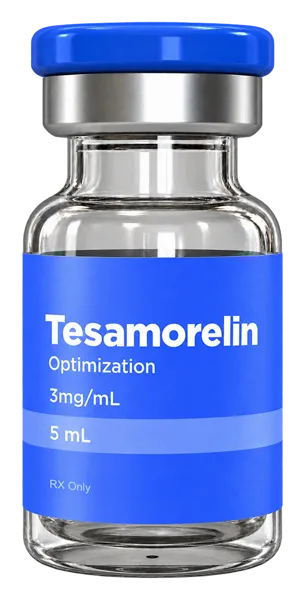 See it at Bodybuilding Peptides